
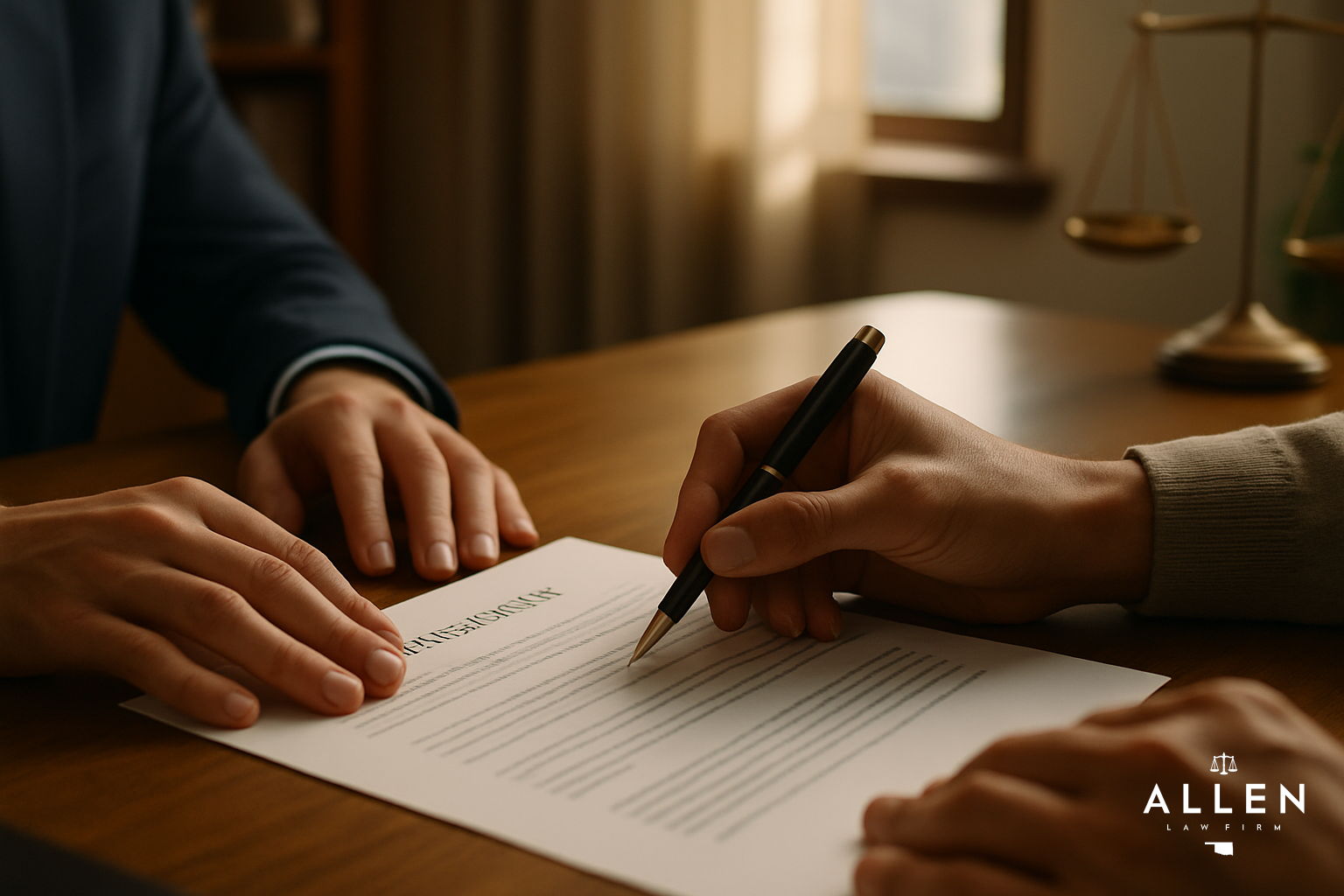
Finding the right divorce lawyer can significantly impact the outcome of your mediation process. Divorce mediation offers a way for couples to resolve disputes amicably, focusing on collaboration rather than conflict. Unlike traditional litigation, mediation encourages open dialogue, allowing both parties to work together towards a mutually beneficial agreement.
What is Divorce Mediation?
Divorce mediation is a voluntary process where a neutral third party, known as a mediator, assists couples in negotiating the terms of their divorce. This method can address various issues, including child custody, support, property division, and more. The goal is to reach a settlement that both parties can accept without going to court.
Benefits of Divorce Mediation
- Cost-Effective: Mediation typically costs less than litigation, as it generally requires fewer hours of attorney involvement.
- Faster Resolution: Mediation can expedite the divorce process, allowing couples to reach agreements more quickly.
- Control and Flexibility: Couples retain control over the decisions made, as opposed to having a judge dictate the terms.
- Less Stressful: The collaborative nature of mediation can reduce the emotional strain often associated with divorce.
- Confidentiality: Mediation sessions are private, allowing couples to discuss sensitive issues without public scrutiny.
Understanding the Mediation Process
The mediation process typically involves several steps:
- Choosing a Mediator: Selecting a qualified mediator is crucial. Look for someone with experience in family law and a neutral stance.
- Initial Meeting: In this session, the mediator will explain the process, establish ground rules, and gather initial information from both parties.
- Negotiation Sessions: Couples will meet with the mediator to discuss their issues. The mediator facilitates the conversation, helping both sides express their needs and concerns.
- Drafting an Agreement: Once an agreement is reached, the mediator will draft a settlement document outlining the terms. This document can then be presented to the court for approval.
Key Issues Addressed in Mediation
During mediation, several critical issues may be addressed:
- Child Custody: Mediation allows parents to create a parenting plan that prioritizes the child’s best interests and establishes custody arrangements.
- Child Support: Couples can negotiate child support amounts based on their financial situations and the needs of the children.
- Property Division: Mediation helps couples divide their marital assets fairly, considering factors such as equity and emotional value.
- Spousal Support: Alimony can be discussed and agreed upon, allowing both parties to understand their financial obligations moving forward.
Choosing the Right Divorce Lawyer for Mediation
Engaging a knowledgeable divorce lawyer can enhance your mediation experience. Here are some tips for selecting the right attorney:
- Experience in Mediation: Look for a lawyer who has experience specifically in mediation, as they can provide valuable insights and strategies.
- Communication Skills: Your lawyer should be an effective communicator, helping you articulate your needs during mediation.
- Understanding of Oklahoma Laws: Familiarity with local divorce laws is essential to ensure that your agreement complies with state regulations.
- Compassionate Approach: Choose a lawyer who understands the emotional aspects of divorce and can provide support throughout the process.
Preparing for Mediation
Proper preparation can make a significant difference in the mediation process. Here are steps to take before your mediation sessions:
- Gather Financial Documents: Collect relevant financial information, including income statements, tax returns, and asset valuations.
- Identify Your Goals: Clearly define what you hope to achieve through mediation, including your priorities and non-negotiables.
- Practice Communication: Work on expressing your thoughts and feelings clearly and calmly to foster productive discussions.
- Consult Your Lawyer: Discuss your strategy and concerns with your attorney to ensure you are well-prepared.
What Happens After Mediation?
Following mediation, if an agreement is reached, the mediator will draft a settlement document. This document needs to be reviewed by both parties and their attorneys before being submitted to the court for approval. If mediation does not result in an agreement, you may need to consider alternative dispute resolution methods or litigation.
Conclusion
Navigating divorce mediation can be a smoother process with the right support. Engaging a knowledgeable divorce lawyer ensures you have the guidance needed to protect your interests and achieve a fair resolution. At The Allen Law Firm, PLLC, we are committed to helping you through every step of the mediation process with compassion and expertise. To learn more about how we can assist you, visit our divorce services page or call us at 918-995-0024.
Leave a Reply